
Aiko-Sophie, Eddie & EPC Build
Aiko-Sophie Ezaki and Eddie Cunniffe, co-owners of the construction company EPC Built, bought a small fixer-upper in the Springs in 2013, leveraging a college fund and narrowly qualifying for a first-time buyer loan. They have spent the years since raising two children and building a construction company that employs a crew of four who live in Sonoma Valley and build and remodel its homes.
Three of the four crew members grew up here. Two own their homes, two rent, and two have shared details of their housing stories anonymously. One bought his condo as a first-time homebuyer from a family member, qualifying by earning under 80% of the county median income and saving his down payment while living with his parents. His colleague was able to secure a rental that narrowly kept multiple generations of his family from losing housing altogether.
Together, their stories illustrate the range of ways people who build homes in Sonoma Valley piece together stability within it, and how much of that depends on connections, family resources, and moments of luck that can't be planned for or replicated.
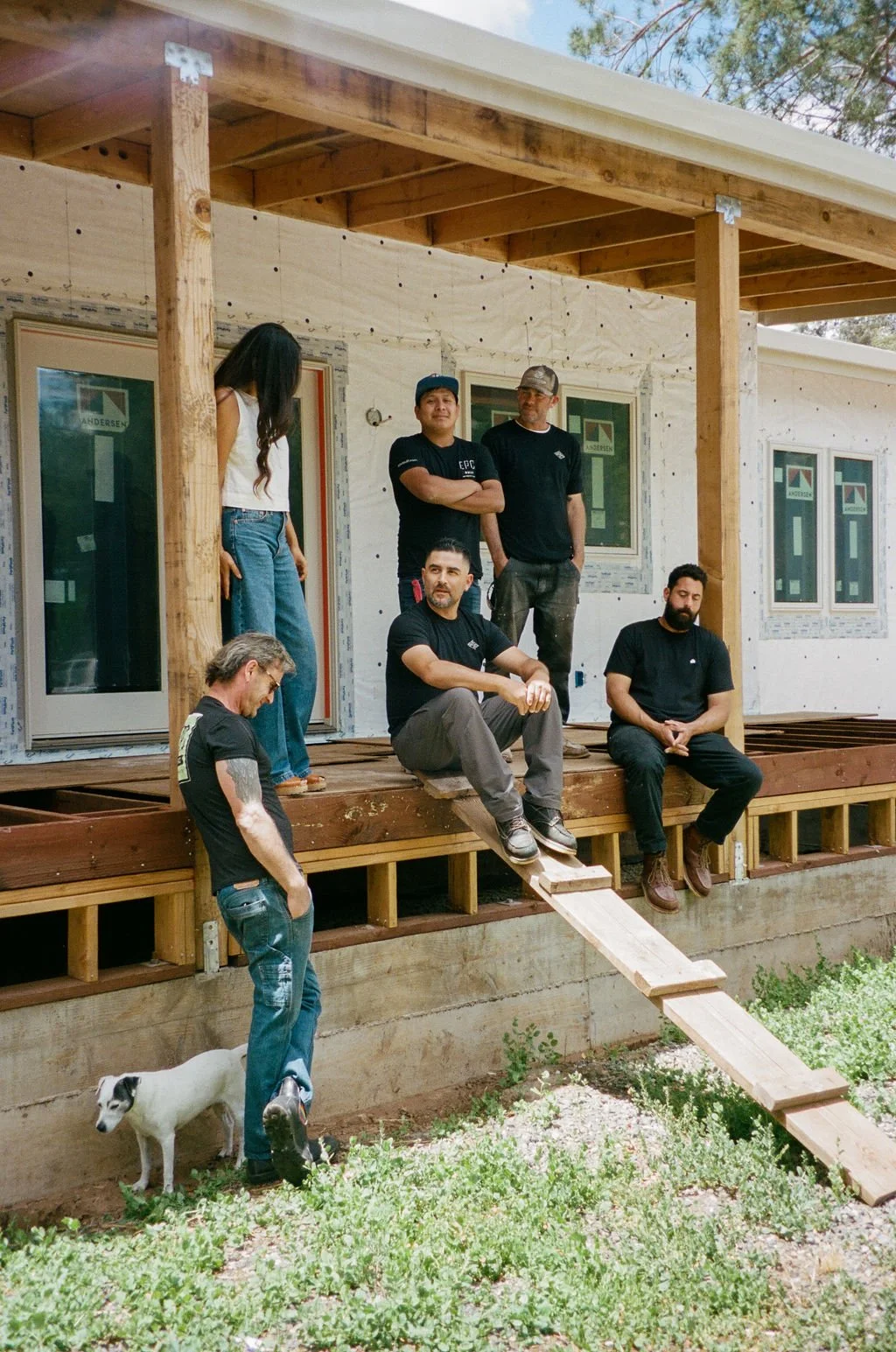
After ten years in San Francisco, Aiko-Sophie and Eddie decided to move back to Aiko-Sophie's hometown of Sonoma Valley and start a small construction company. Like their EPC Built crew of four, they live and work in the same community they're helping to build. For all of them, staying has required navigating the question of housing security in their own way. Their story, along with two stories from the crew are shared here anonymously.
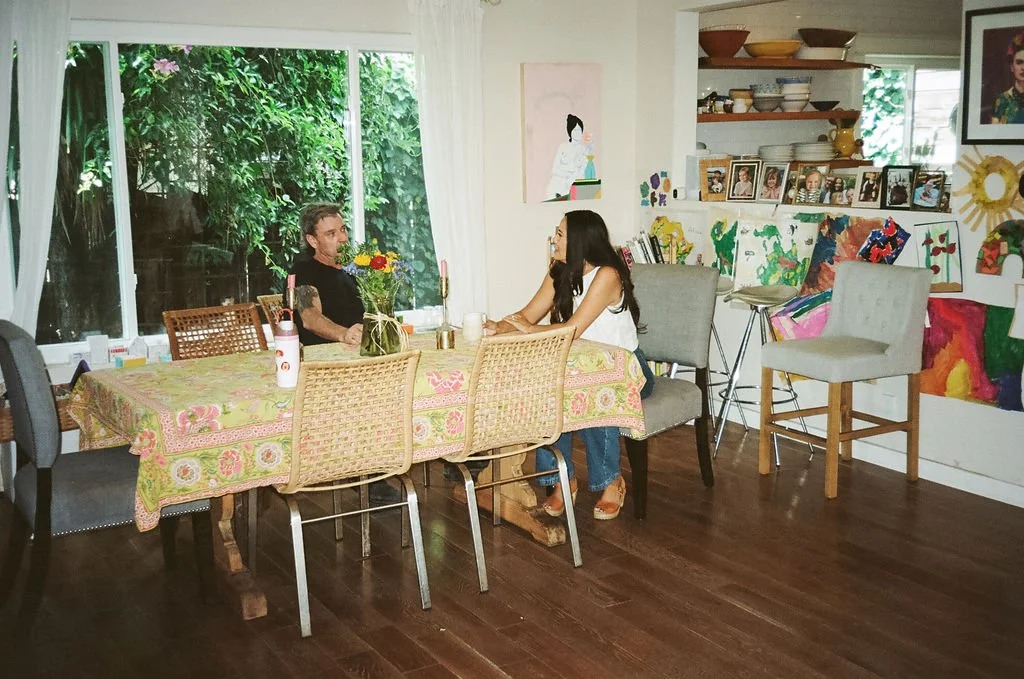
In 2013, a small cottage in the Springs came on the market for $310,000. The house needed significant work, but Aiko-Sophie and Eddie saw the possibility of building a life there and began the process of applying for a first-time homebuyer loan.
“We had recently completed the immigration process for Eddie’s green card, and because he did not yet have enough credit history in the United States, he could not be included on the mortgage. I was earning $65,000 a year working for a nonprofit in San Francisco, so qualifying depended entirely on my income and finances.”
— Aiko-Sophie Ezaki
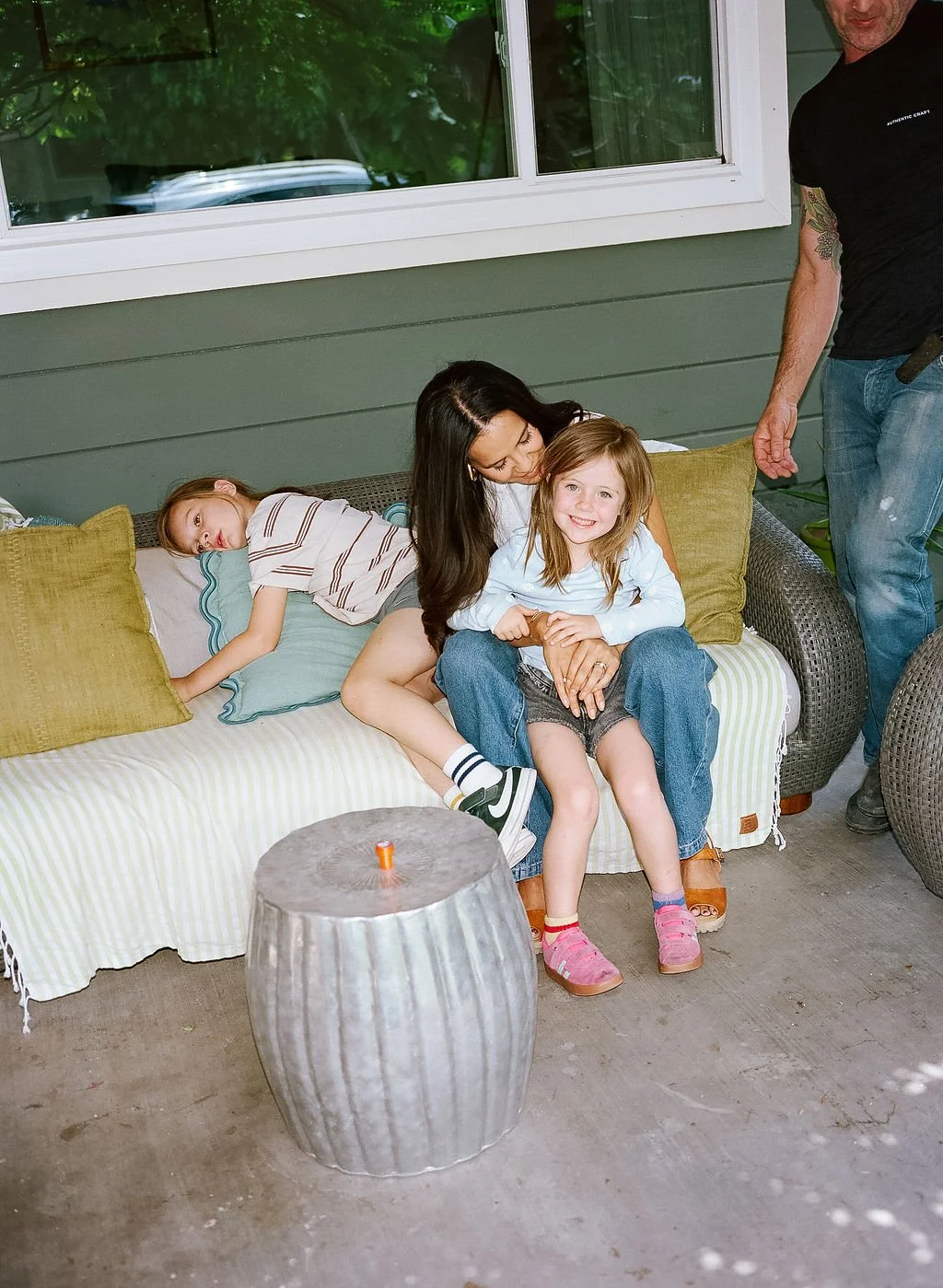
Aiko-Sophie had some money remaining in a college fund that she had originally imagined using for graduate school, and that became the basis for a small down payment. The house had been used as a rental for decades and had seen few updates since the 1970s. Built in 1923 as a vacation cottage after the fire that swept through the Springs, it still reflected its modest beginnings. To this day, there is only one true closet in the entire house. After an inspection, they negotiated the purchase price down to $288,000.
“Even then, qualifying for the loan was difficult. The approval came down to the last minute, and I ultimately sold my truck to my mother to reduce my debt load and meet the lender’s requirements. It was a close call, but the loan was approved, and the house became ours.”
— Aiko-Sophie Ezaki
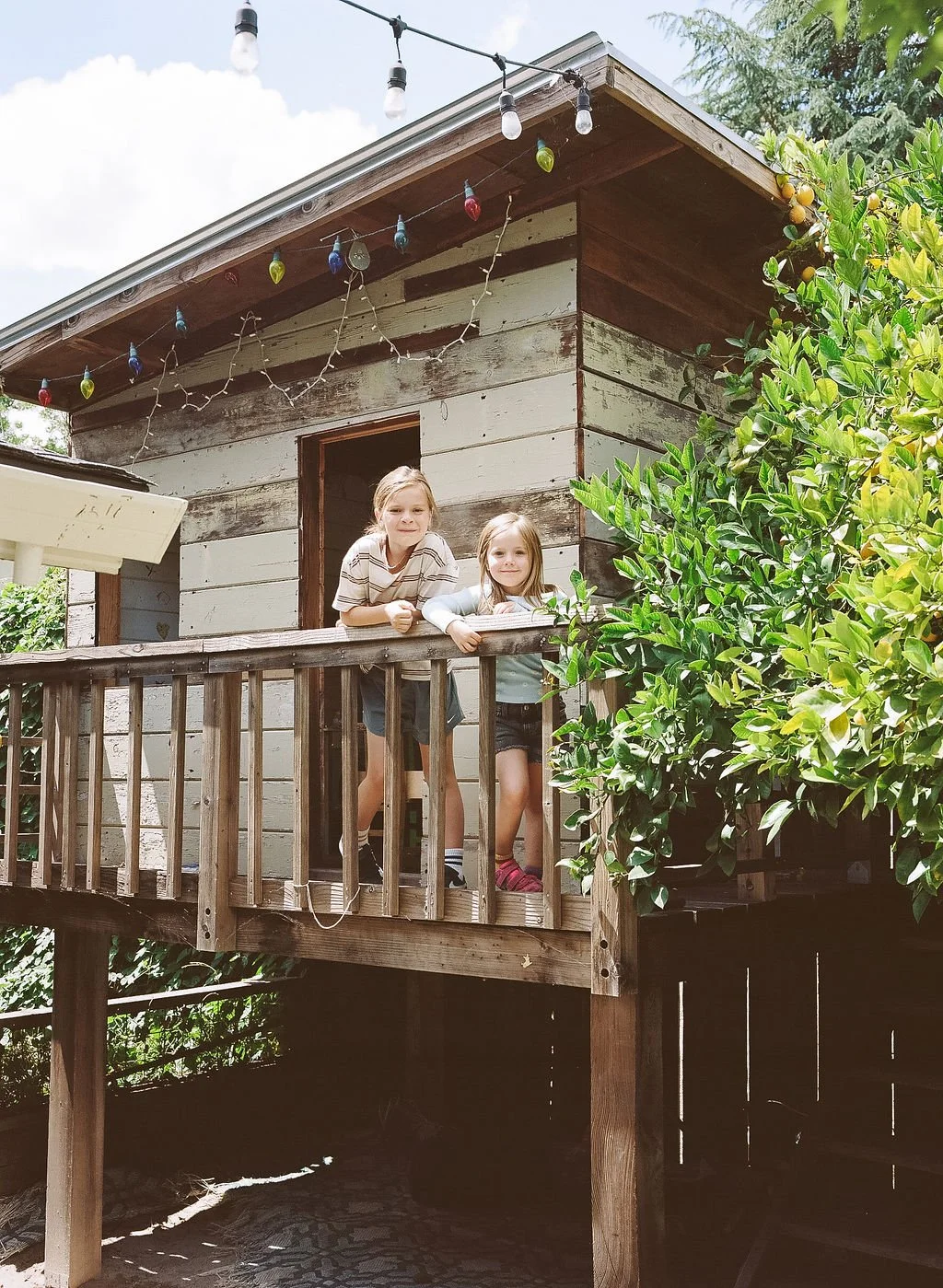
They updated their house gradually, adapting it to the needs of their growing family while preserving much of its original charm. More than a decade later, the property has become part of the family's long-term planning. Their guest house offers additional flexibility, whether as space for family or, if needed, as a potential rental. Staying in a home with a manageable mortgage has allowed them to raise two young children and run a construction company with an important measure of stability.
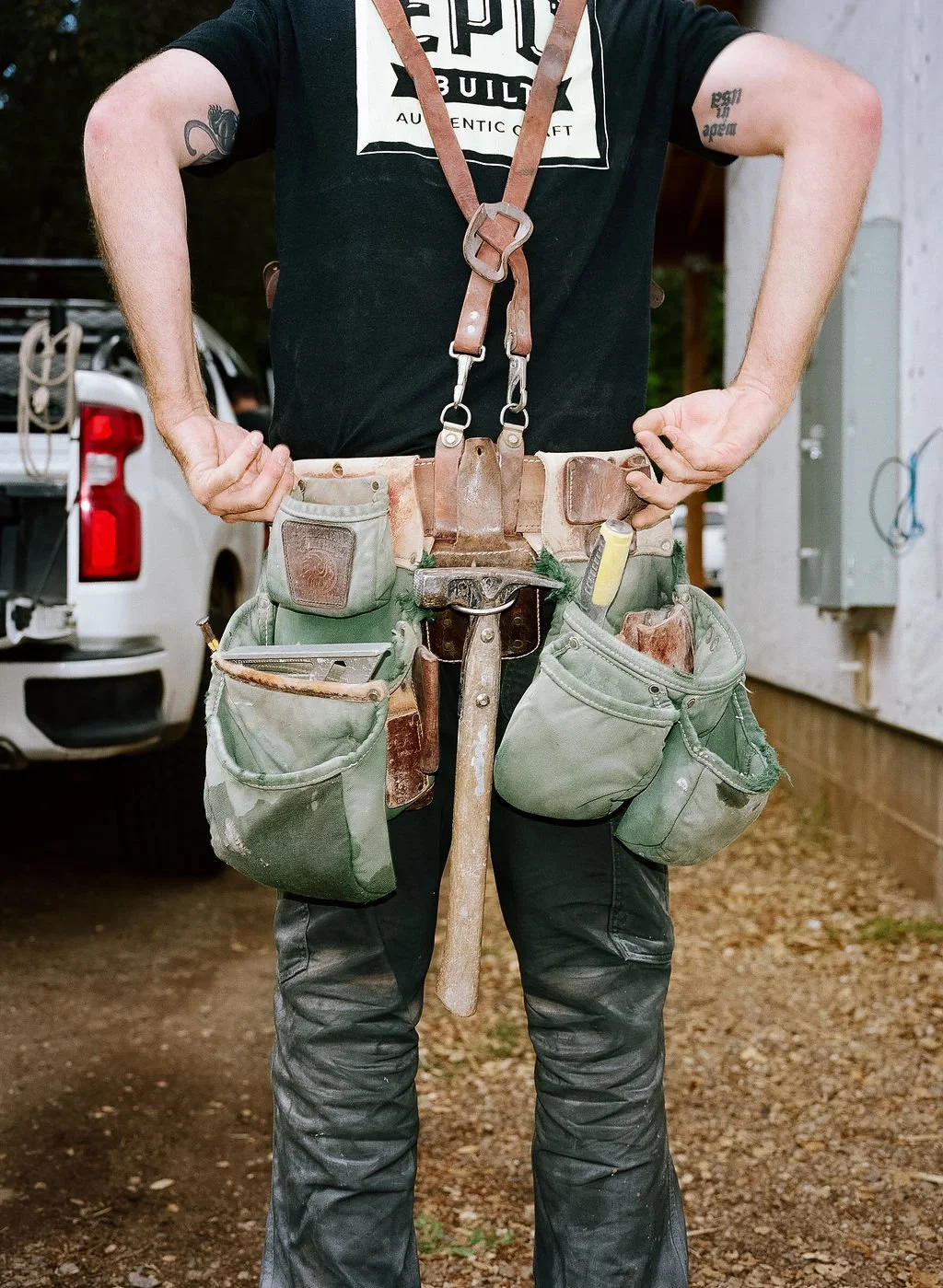
“Running EPC Built has added another layer of responsibility. Beyond supporting our own family, we are committed to providing year-round employment for a crew made up entirely of people who live here in Sonoma Valley. That commitment shapes many of the decisions we make as a business and often requires conversations with clients about the true cost of building in this community.”
— Eddie Cunniffe
One reality of construction in Sonoma is that many companies rely on labor commuting long distances from more affordable areas. Their goal has always been to create jobs that allow skilled tradespeople to live and work in the same community.
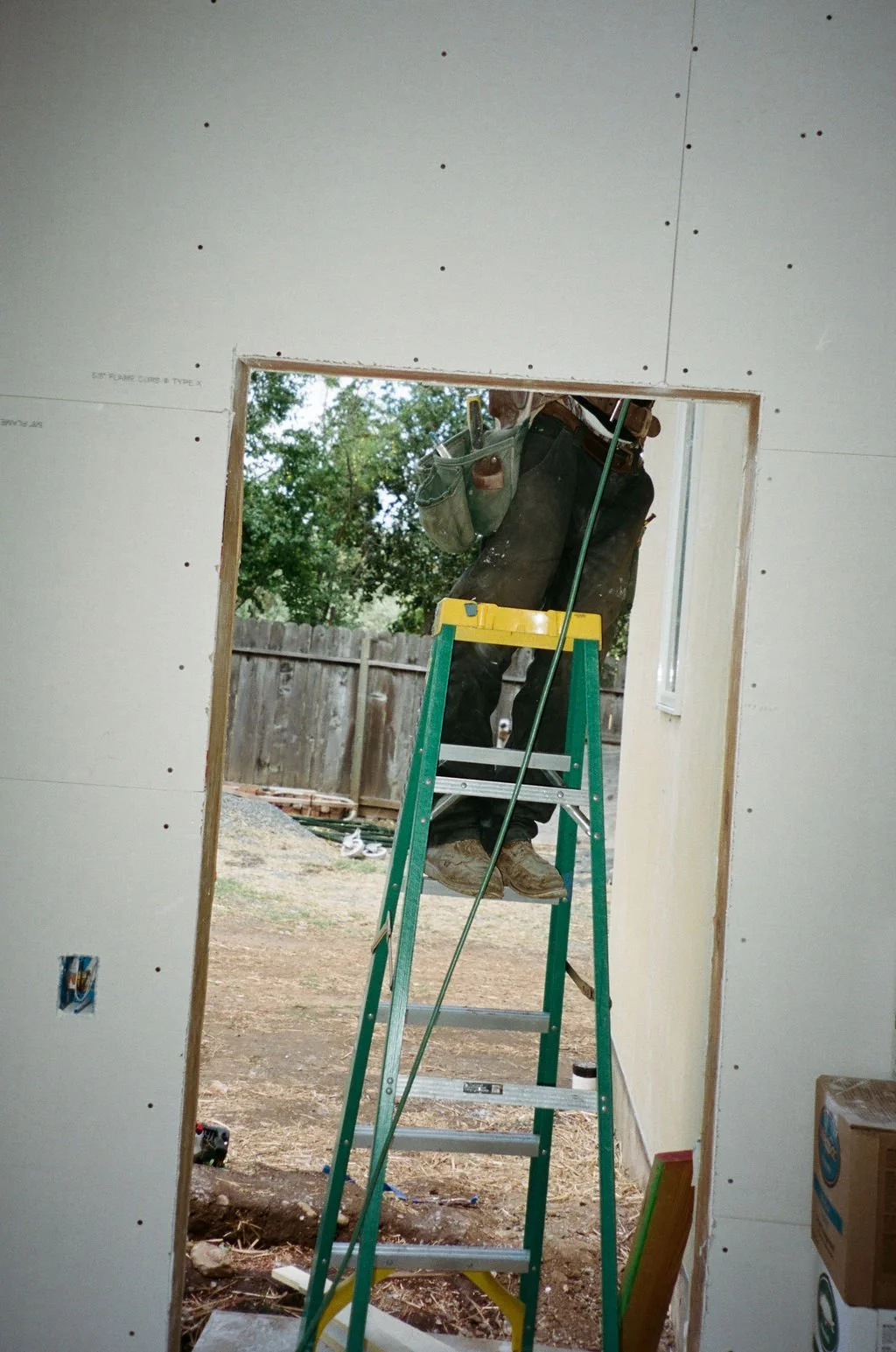
For one member of the crew, remaining in Sonoma Valley has required a very different set of compromises. Growing up locally in a family of farmworkers, he lived in a trailer with windows that didn’t close that was provided by his family’s employer. His parents were always working, and unlike many of the people he grew up with, his parents, and now he, do not have financial assets provided by previous generations to leverage towards housing.
“My parents had a house, they owned a house, but they pretty much got foreclosed on, and the bank was ready to take the house from them. So I decided to go out and find something. It was either we find a roof over our heads, or we're sleeping in the street, in the park, or we're a family living on the corner.”
—Tradesman for EPC Build, Sharing Anonymously
During a challenging search for a rental, he struggled to prove his household met the income requirements of many rentals. Cash-based employment within his household made it difficult to provide the documentation. Luckily, he recognized that his old house in Glen Ellen was available for rent again through Sonoma Management Property Rentals. He reached out to his contact there and explained his family's situation, explaining that if they did not find housing by the end of the month, they would be homeless. He would likely be sleeping at his workplace in Novato, while his parents would be forced to split up, with one living in a car and the other staying with relatives. Fortunately, the property manager gave him a break and moved his application to the top of the list, assured that he had the down payment and first month's rent ready.
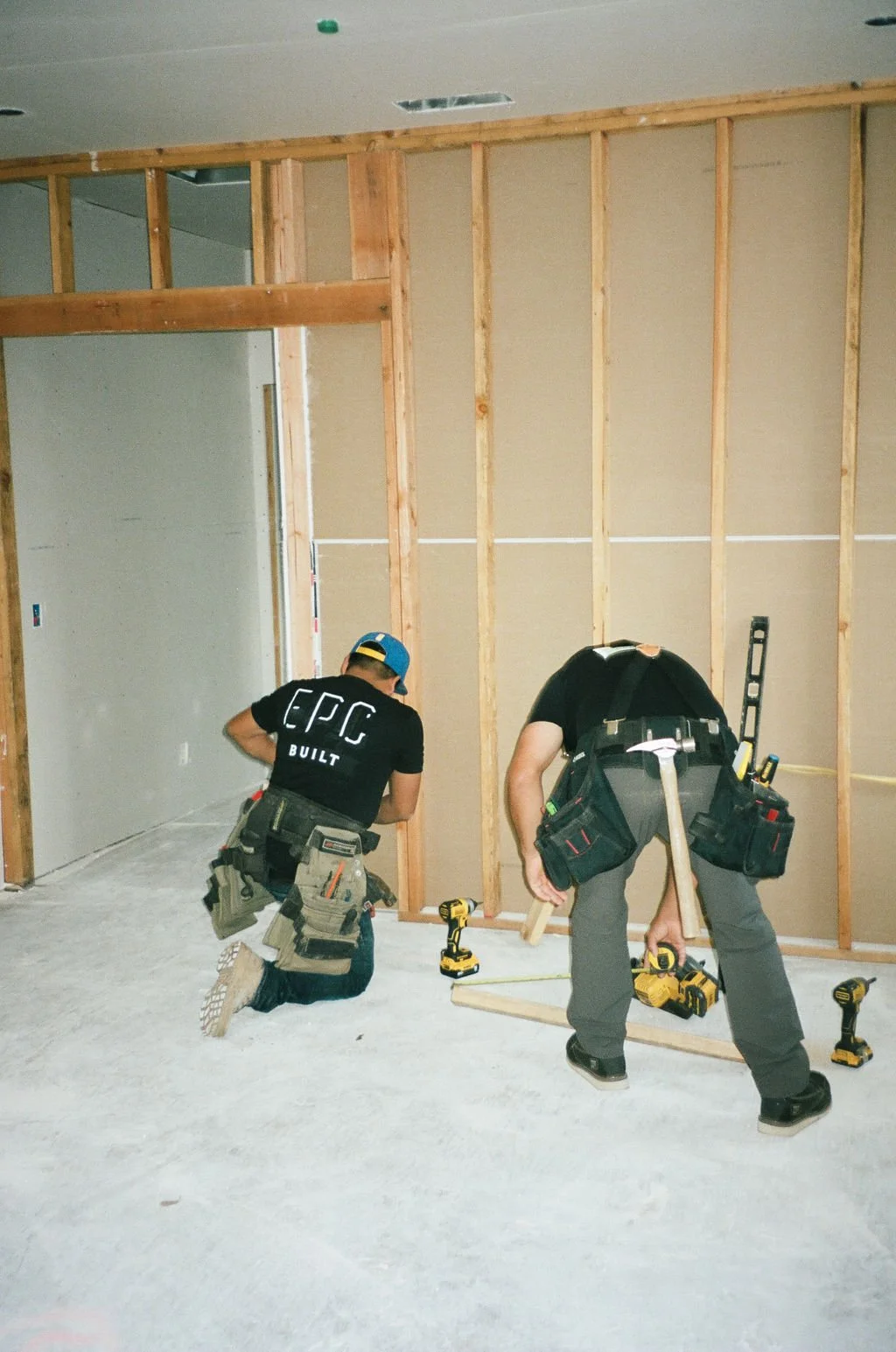
“The same house I live in right now, in Glen Ellen, I rented that out 15 years ago for $1,500. My family has been there for 9 years now—again, a second time—but it's, $2,300 a month. There is so much competition, we got really lucky.”
—Tradesman for EPC Build, Sharing Anonymously
His colleague purchased a deed-restricted condo through Sonoma County's first-time homebuyer program when he was 21 years old. Living with his parents until that point allowed him to save a $25,000 down payment. To be eligible, he had to be a first-time homebuyer earning less than 80% of Sonoma County's median income, have a stable job, and good credit. The home could only appreciate by 3% each year, but after living there for a decade, it provided the equity that allowed him to purchase the house his family lives in today.
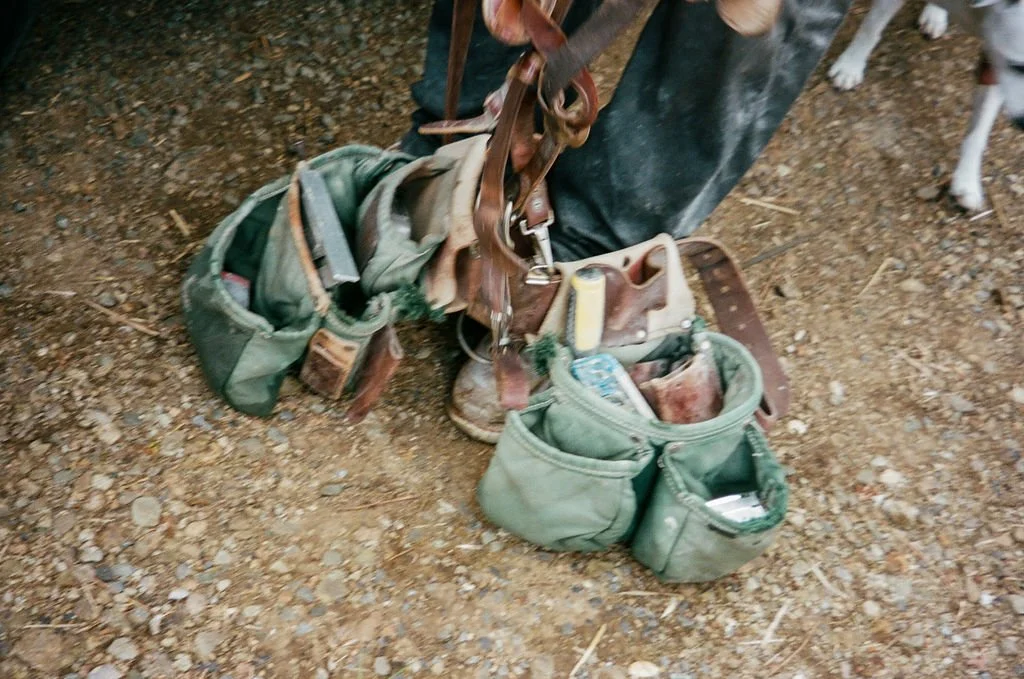
“I lived at home with my parents until I was 21 and saved 25 grand. I had good credit, and a well-paying job for the time. The place was $152,000, so that probably made it easier to qualify for the loan. My cousin sold it to me, which probably didn't hurt either.”
— Tradesman for EPC Build, Sharing Anonymously
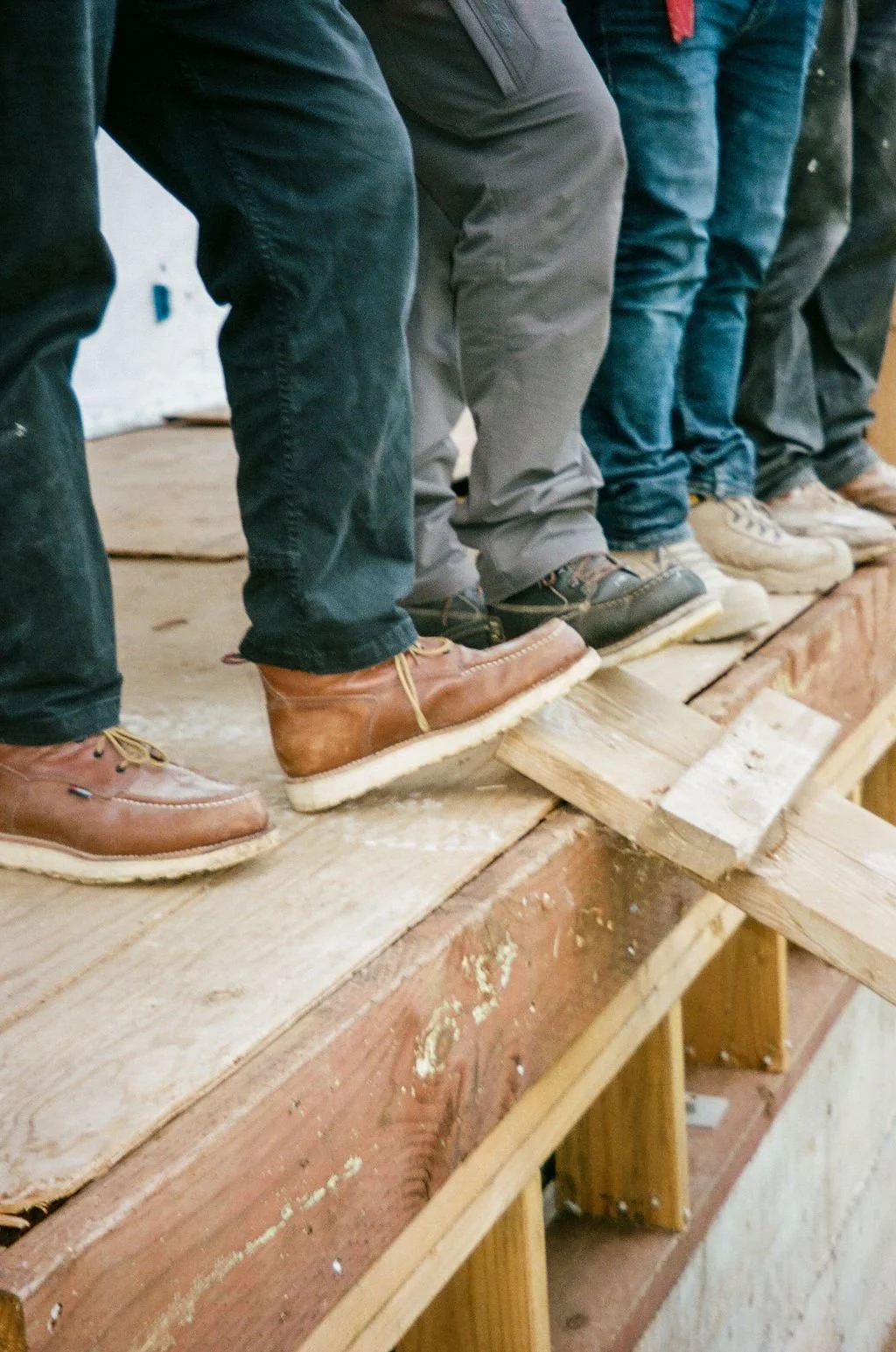
Although their housing experiences are very different, all of their stories are connected through the same company and the same community. Together, their stories reflect the widening range of housing experiences within Sonoma Valley's workforce, and how timing, and family backgrounds that shape access to financial resources can have lasting effects on what it looks like for a family to maintain its roots in Sonoma Valley.
“Returning to Sonoma as an adult has been very different from growing up here. I was raised in a middle-class family, and like many people of my generation, I have found that recreating that life in Sonoma Valley has become increasingly difficult. Many people who grew up here have been priced out, and that reality is a large part of why we have stretched ourselves to remain here and build a company that employs people at a level that helps them put down or keep roots here too.”
— Aiko-Sophie Ezaki
Curated by The Future Collective, photos by Kayla Schmah